Signs a Background Report May Be Missing Important Details
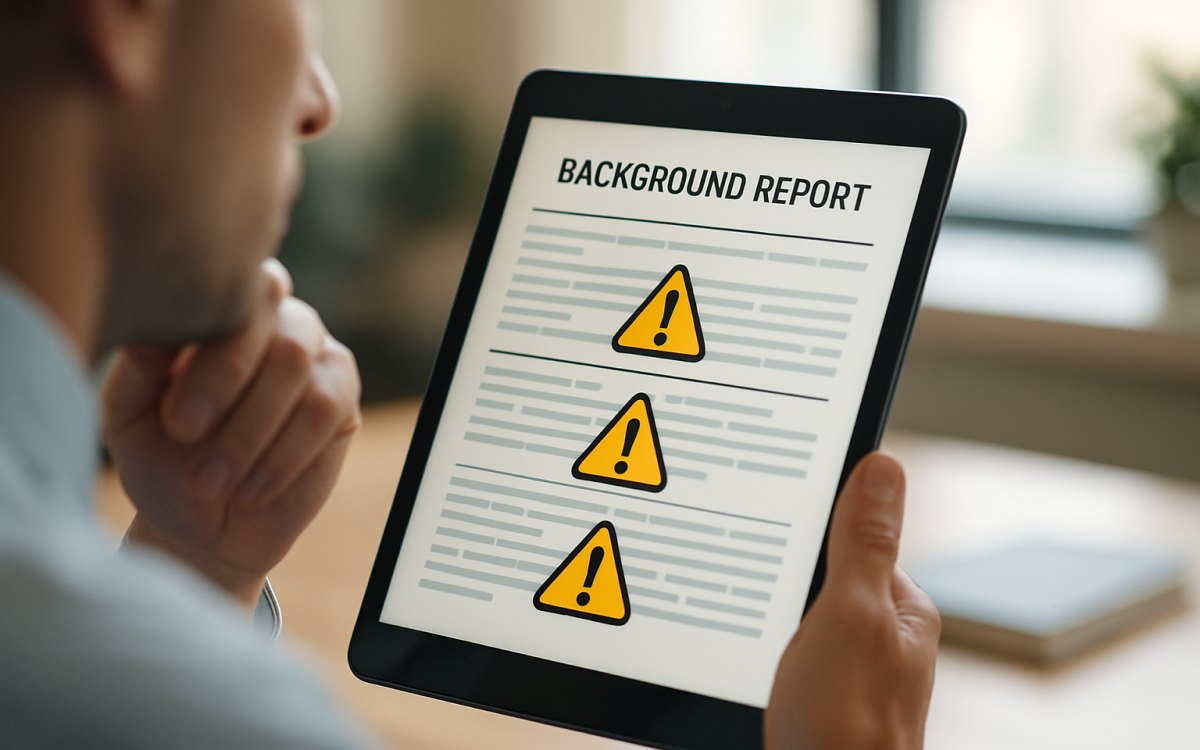
Background reports can provide useful insight into public records, address history, criminal records, and other personal information. However, the accuracy of these reports often depends on how recently databases were updated and how much information a platform can access. Missing details are more common than many people realize, especially when records come from multiple public sources. Understanding the signs of an incomplete background report can help readers evaluate the information more carefully and recognize when additional verification may be necessary.
Why Background Reports Are Not Always Complete
Background check services do not gather information the way a private investigator would. Instead, they pull data from public record databases managed by courts, government agencies, and local jurisdictions. These databases do not all update at the same pace. A court case resolved last month may not appear in a report for weeks, simply because the responsible agency has not yet uploaded it to a shared system.
Most background checks also rely on name matching to link records to a person. If someone has a common name, records belonging to another person can end up in their report, while their own records are left out. These are structural limitations of how public records are collected and shared across thousands of jurisdictions, not failures of any one service.
The Criminal History Section Is Unusually Sparse
When a criminal history section comes back empty, the natural assumption is a clean record. That may be true, but it is not the only explanation. Some counties simply do not share their records with statewide or national databases. Others are slow to update when a case is closed, dismissed, or resolved. So if a report shows no criminal history for someone known to have had legal issues in the past, it likely means the data source did not have access to those specific records, not that the records do not exist.
This distinction matters because treating an empty report as confirmation of a clean history can lead to incomplete conclusions.
Address History Has Obvious Gaps
A background report that only shows one or two addresses for someone who has clearly lived in multiple places is worth a closer look. Address history is compiled from sources like utility records, voter registrations, and property filings. If a person rented for many years, paid in cash, or lived somewhere that does not report to public databases, those addresses will not appear.
A thin address history does not mean someone is hiding something. It often means the report’s data sources did not cover that region or time period, which is a signal to ask follow-up questions rather than draw firm conclusions.
Employment and Education Details Are Blank
Employment history is not a standard feature of all background reports, and when it does appear, the information typically comes from self-reported data, tax filings, or professional license records rather than a direct line to every employer. So when the employment section is blank, it rarely means the person has never worked. It more often means those records were not in a public database that the service could access.
The same applies to education. Schools do not publicly broadcast enrollment records. Unless credentials are tied to a licensed profession, an education section may show nothing, even for someone with advanced degrees. A blank field signals a data gap, not a red flag about the person.
Relative and Associate Information Is Thin or Missing
Background reports often include a section listing possible relatives or known associates, built by cross-referencing shared addresses, phone records, and overlapping public filings. When this section is sparse or empty for someone with a large family, it usually means the family members have limited public record footprints, or the service’s data sources did not cover the areas where those connections were formed.
This section is among the least reliable parts of any background report and should carry the least weight when assessing someone.
Conclusion
Background reports can offer useful insight, but missing or outdated information is more common than many people expect. Reviewing reports carefully and verifying details with reliable sources often leads to a clearer, more accurate understanding of the information presented.