Role of Background Checks in Identity Theft Prevention
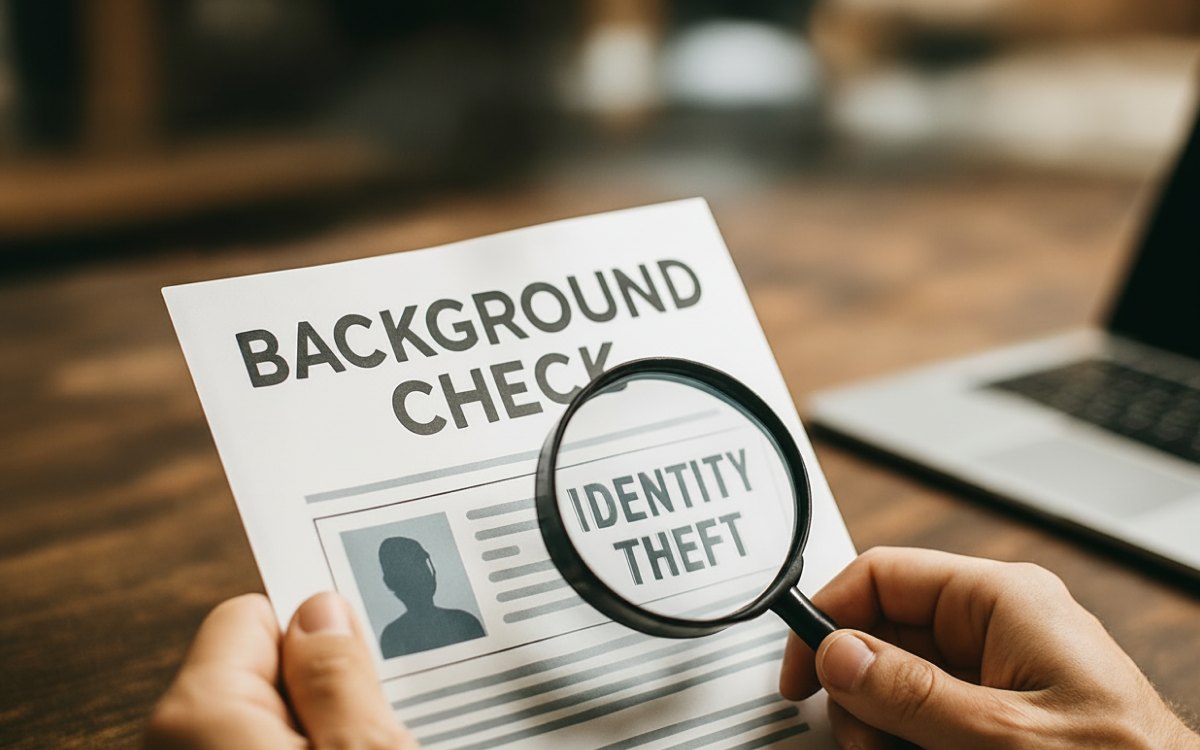
Identity theft continues to affect individuals, businesses, and financial institutions across the country. Cybercriminals use stolen personal information to open credit accounts, access bank details, apply for loans, and commit online fraud. As digital transactions become more common, the need for stronger identity protection measures has increased significantly. One effective strategy used by employers, landlords, financial organizations, and consumers is the background check. Proper background screening helps verify identities, detect fraud risks, and reduce the chances of identity theft before serious damage occurs.
What is Identity Theft
Identity theft occurs when someone steals personal information and uses it without permission for financial gain or fraudulent activity. Commonly targeted details include:
- Social Security numbers
- Bank account information
- Credit card details
- Driver’s license numbers
- Employment records
- Addresses and phone numbers
Criminals often obtain this information through phishing scams, data breaches, fake job applications, or stolen documents. Victims may face financial losses, damaged credit scores, and lengthy recovery processes.
What Are Background Checks?
Background checks are verification processes used to confirm a person’s identity, history, and credentials. These checks help organizations identify inconsistencies, fraudulent records, or suspicious activity before approving employment, housing, financial services, or partnerships.
Common Types of Background Checks
Several types of screenings support identity verification and fraud prevention:
- Criminal record checks
- Employment verification
- Education verification
- Credit history reviews
- Social Security number validation
- Address history verification
- Identity authentication checks
These checks help organizations determine whether the information provided by an applicant or customer is legitimate.
How Background Checks Help Prevent Identity Theft
Background checks play a critical role in detecting false identities and reducing fraud risks.
Verifying Personal Information
One of the most important functions of a background check is confirming that personal details match official records. Verification systems compare names, Social Security numbers, addresses, and employment histories with trusted databases.
If inconsistencies appear, organizations can investigate further before approving applications or granting access to sensitive information.
Detecting Synthetic Identity Fraud
Synthetic identity fraud occurs when criminals combine real and fake information to create false identities. For example, a fraudster may use a legitimate Social Security number with a fake name and address.
Advanced background screening tools can identify irregularities that may indicate synthetic identities, helping businesses stop fraudulent accounts before financial damage occurs.
Reducing Employment-Related Fraud
Identity theft can also occur in workplace settings. Fraudsters sometimes use stolen credentials to secure jobs or gain access to confidential company data.
Employment background checks help employers verify:
- Legal identity
- Previous work experience
- Professional certifications
- Criminal records
This process reduces the risk of hiring individuals using false identities or stolen documents.
Importance of Credit Checks in Fraud Prevention
Credit checks are often included in identity verification procedures, especially in financial services and lending industries.
Identifying Suspicious Financial Activity
A credit report may reveal u nfamiliar accounts, multiple recent applications, inconsistent address records, and sudden changes in credit usage. These warning signs can help organizations detect possible identity theft before approving loans, credit cards, or financial transactions.
Protecting Consumers and Businesses
Credit-based background checks also protect consumers by identifying fraudulent activity early. Quick detection can prevent further misuse of stolen information and reduce financial losses.
Best Practices for Effective Identity Theft Prevention
Background checks work best when combined with broader security practices.
For Businesses
Organizations can strengthen fraud prevention efforts through various ways. They can use reputable background screening providers. They can also verify identities before granting account access. Monitoring employee access to sensitive information is also an effective way for fraud prevention. Conducting periodic security reviews and training staff to recognize fraud risks are also effective methods.
For Individuals
Consumers can also reduce identity theft risks by m onitoring credit reports regularly, using strong passwords, avoiding suspicious emails and links, protecting Social Security numbers, and shredding sensitive documents. Taking proactive steps can help limit exposure to fraud and financial crime.
Legal and Compliance Considerations
Background checks must comply with federal and state regulations. Businesses should follow laws related to privacy, data protection, and consumer rights.
The Fair Credit Reporting Act establishes rules for how background screening information can be collected and used. Employers and organizations should ensure that screening practices remain transparent, accurate, and legally compliant.
Background checks have become an essential part of identity theft prevention in the modern digital environment. By verifying personal information, detecting fraudulent identities, and identifying suspicious financial activity, these screenings help protect both businesses and consumers from serious financial harm. Combined with advanced technology and strong security practices, effective background checks provide an important defense against identity fraud and cybercrime.