Is That Charity Real? How to Verify a Nonprofit Before You Donate
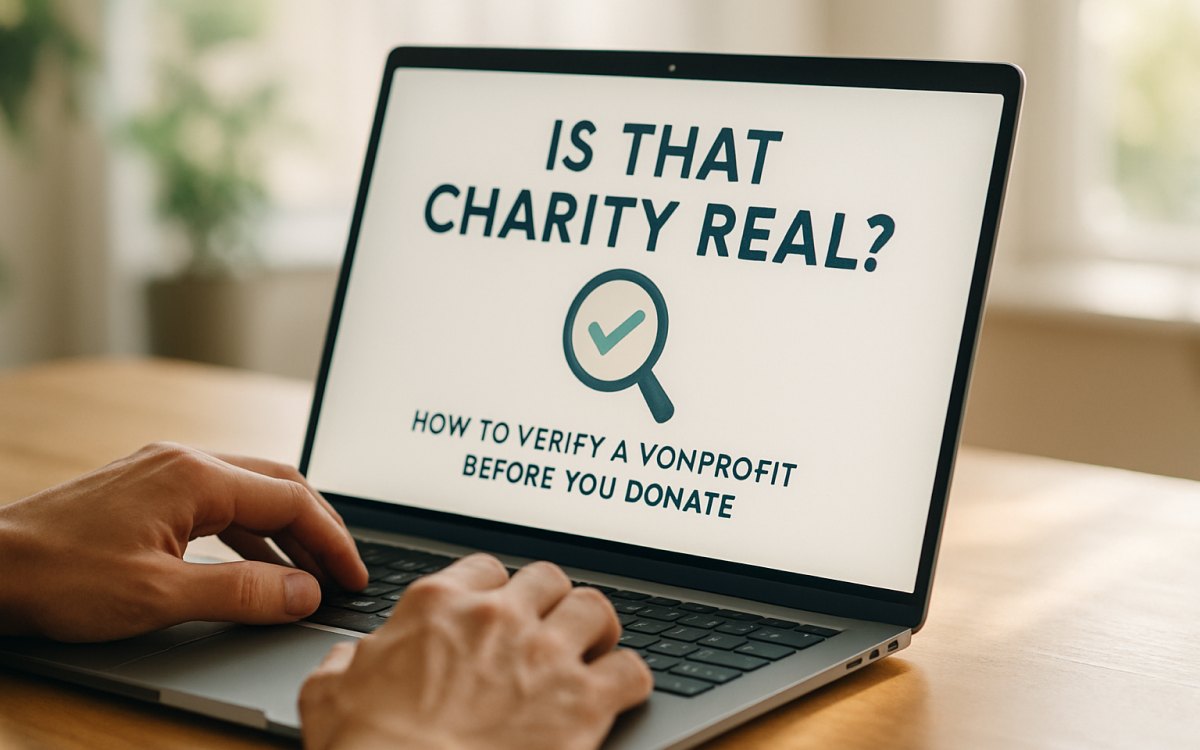
Online giving has made donating easier than ever, but it has also increased the risk of fake charities and misleading fundraising campaigns. Before sending money, it is important to confirm that a nonprofit is legitimate, transparent, and properly managed. A few simple checks can help donors support trustworthy organizations while avoiding scams and financial loss.
Why Charity Verification Matters
Not every fundraising appeal comes from a genuine nonprofit. Fraudulent organizations may use emotional stories, copied images, or urgent requests to pressure people into donating quickly. In some cases, fake charities disappear after collecting funds.
Verifying a nonprofit helps ensure donations reach real programs and communities in need. It also allows donors to make informed decisions based on transparency, financial responsibility, and charitable impact.
Check the Nonprofit’s Registration Status
A legitimate nonprofit should be officially registered and recognized as a tax-exempt organization.
Search Government Databases
Many countries provide online databases where donors can search nonprofit records. Look for details such as o fficial organization name, registration number, tax-exempt status, filing history, and current standing. If the charity cannot be found in a government registry, that is a warning sign.
Confirm the Organization Name
Scammers often create names that sound similar to well-known charities. Always verify the exact spelling and legal name before donating.
Review the Charity’s Website Carefully
A nonprofit’s website can reveal a great deal about its credibility.
Look for Clear Contact Information
Trustworthy charities usually provide a physical mailing address, phone numbers, email contacts, and leadership information. Organizations with vague or missing contact details should be approached cautiously.
Check for Program Transparency
Reliable nonprofits clearly explain t heir mission, ongoing projects, how donations are used, and annual goals and achievements. Avoid organizations that provide little information about their work or spending.
Examine Financial Transparency
Financial accountability is one of the strongest indicators of a legitimate nonprofit.
Read Annual Reports
Most established charities publish annual reports that summarize r evenue and expenses, program outcomes, administrative costs, and fundraising activities. T hese reports help donors understand how efficiently the organization operates.
Compare Spending Ratios
A healthy nonprofit typically spends a meaningful portion of donations on programs rather than excessive administration or marketing. While every charity operates differently, unusually high fundraising expenses may require closer review.
Use Trusted Charity Evaluation Platforms
Independent charity monitoring websites can help donors evaluate nonprofits before contributing.
What These Platforms Review
Charity evaluators often analyze f inancial health, transparency, governance practices, accountability standards, and program effectiveness. These platforms can provide ratings, reports, and public feedback that support informed giving decisions.
Compare Multiple Sources
Do not rely on a single rating alone. Reviewing information from several trusted sources creates a more complete picture of the nonprofit.
Watch for Common Charity Scam Warning Signs
Fraudulent charities often use similar tactics to pressure donors.
High-Pressure Donation Requests
Be cautious if fundraisers d emand immediate donations, use aggressive emotional appeals, refuse to provide written information, and discourage independent research. Legitimate nonprofits allow donors time to review information before contributing.
Requests for Unusual Payment Methods
Scammers may request g ift cards, wire transfers, cryptocurrency, and cash-only donations. Trusted charities usually offer secure payment systems and standard payment options.
Lack of Financial Details
Organizations that avoid questions about spending, leadership, or operations may not be trustworthy.
Verify Social Media and Online Presence
Many nonprofits actively engage with supporters online. Reviewing social media activity can help confirm legitimacy.
Signs of a Genuine Online Presence
A credible nonprofit often has c onsistent branding, regular updates, community engagement, event photos, and public responses to donor questions. Fake charities may have newly created accounts with limited activity or copied content.
Read Independent Reviews Carefully
Online reviews can provide useful insights, but they should be evaluated carefully. Look for patterns rather than isolated complaints or overly promotional comments.
Donate Safely Online
Even legitimate charities can become targets for cybercrime. Secure donation practices help protect financial information.
Use Secure Payment Pages
Before entering payment details, check that the donation page u ses “https”, displays a secure connection symbol, and belongs to the official nonprofit website. Avoid donating through suspicious links received by text messages or unsolicited emails.
Keep Donation Records
Save confirmation emails, receipts, and transaction details for personal records and tax purposes.
Verifying a nonprofit before donating is an important step in responsible giving. Checking registration records, reviewing financial transparency, researching online reputation, and using trusted evaluation platforms can help donors avoid scams and support legitimate charitable work.
Careful research not only protects personal finances but also helps ensure donations reach organizations that create meaningful impact.