How to Find Out If Someone Has Filed for Bankruptcy
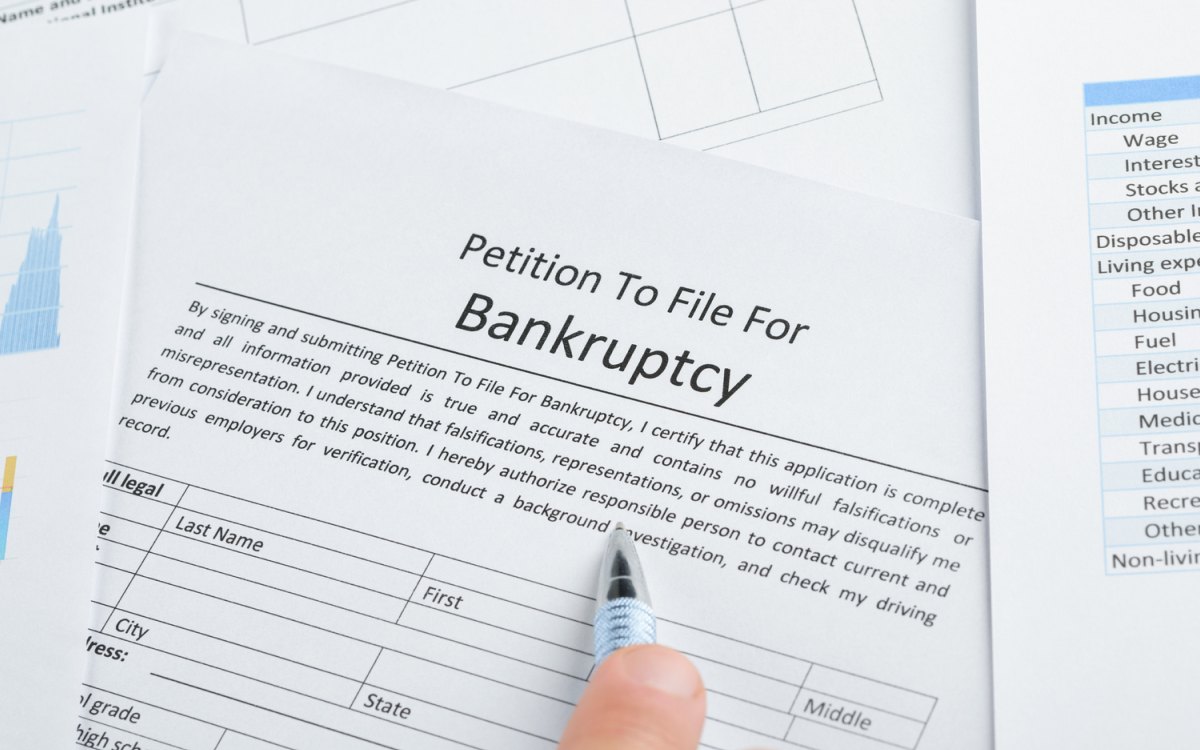
Bankruptcy filings are part of the public record, which means certain details can be accessed legally through approved sources. Whether checking financial information before signing a lease, entering a business agreement, or reviewing a potential tenant, understanding how to find bankruptcy records can help support informed decisions.
This guide explains the most reliable ways to find out if someone has filed for bankruptcy while staying compliant with privacy and legal standards.
What Is a Bankruptcy Filing?
A bankruptcy filing is a legal process used by individuals or businesses that cannot repay debts. Once a case is filed in court, records are typically made available through public databases and court systems.
Common bankruptcy types include:
- Chapter 7 bankruptcy
- Chapter 13 bankruptcy
- Chapter 11 bankruptcy for businesses
These filings may contain information such as f iling date, court location, case number, status of the case, and discharge details.
Why Someone May Need Bankruptcy Information
There are several legitimate reasons to search bankruptcy records.
Tenant Screening
Property owners may review financial history before approving rental applications.
Business Partnerships
Companies often verify financial stability before entering contracts or agreements.
Debt Collection Review
Financial institutions and collection agencies may confirm whether debts are protected through bankruptcy proceedings.
Personal Financial Verification
Some people search records to confirm their own filing status or monitor legal updates.
Use Federal Court Bankruptcy Records
One of the most accurate ways to check bankruptcy filings is through federal court databases.
PACER Database
PACER, short for Public Access to Court Electronic Records, provides online access to bankruptcy court records. Users can search by f ull legal name, business name, case number, and court district. The system includes current and past bankruptcy filings from federal courts.
Information Available Through Court Records
A bankruptcy search may reveal f iling chapter, petition date, court documents, trustee information, and case outcome. Most bankruptcy records remain accessible for years after filing.
Check Credit Reports
Bankruptcy filings often appear on credit reports issued by major credit reporting agencies.
Bankruptcy Details on Credit Reports
A report may show the t ype of bankruptcy, filing date, status of discharge, and related accounts included in the filing. Chapter 7 bankruptcies can remain on a credit report for up to ten years, while Chapter 13 cases may remain for seven years.
Legal Access Matters
Accessing another person’s credit report generally requires permission or a legally permitted purpose, such as employment screening, rental applications, or lending reviews.
Search County or Court Websites
Many courts provide online case lookup systems that include bankruptcy-related information.
What to Search
When using court websites, search using f ull name, business entity name, filing date if known, and state or court district. Some systems are free, while others charge small access fees.
Benefits of Court Searches
Court databases often provide direct information from official records, reducing the chance of outdated or inaccurate results.
Use Background Check Services Carefully
Some background check platforms include bankruptcy history in financial or public record searches.
What These Services May Include
Depending on the provider, reports may show b ankruptcy filings, liens, judgments, and court records. However, information quality varies between services.
Verify Accuracy
Third-party databases may contain outdated or incomplete records. Cross-checking information with official court records is recommended for accuracy.
Understand Privacy and Legal Rules
Although bankruptcy records are public, there are still important legal limits on how information can be used.
Fair Credit Reporting Compliance
Businesses using bankruptcy data for h iring, tenant screening, and lending decisions must follow Fair Credit Reporting Act requirements and provide appropriate disclosures when necessary.
Avoid Improper Use
Bankruptcy information should never be used for harassment, discrimination, or unauthorized access to private financial records.
Signs That Someone May Have Filed for Bankruptcy
While official records provide confirmation, some situations may suggest a recent bankruptcy filing.
Possible Indicators
These may include d ebt collection calls stopping suddenly, major account closures, court notices received by creditors, and significant financial restructuring. These signs alone do not confirm bankruptcy and should always be verified through legal records.
Tips for Accurate Bankruptcy Searches
Searching carefully helps reduce errors and false matches. Some of the b est practices include using full legal names, confirming addresses when possible, searching multiple court districts if needed, verifying dates and case numbers, and reviewing official court documents instead of summaries. Accurate searches are especially important when reviewing common names.
Finding out if someone has filed for bankruptcy is possible through public court records, credit reports, and approved background check systems. Official federal court databases remain the most reliable source for accurate bankruptcy information. Whether reviewing tenant applications, business relationships, or financial records, using legal and verified methods helps ensure responsible and compliant searches.