How Background Check Platforms Gather Personal Data
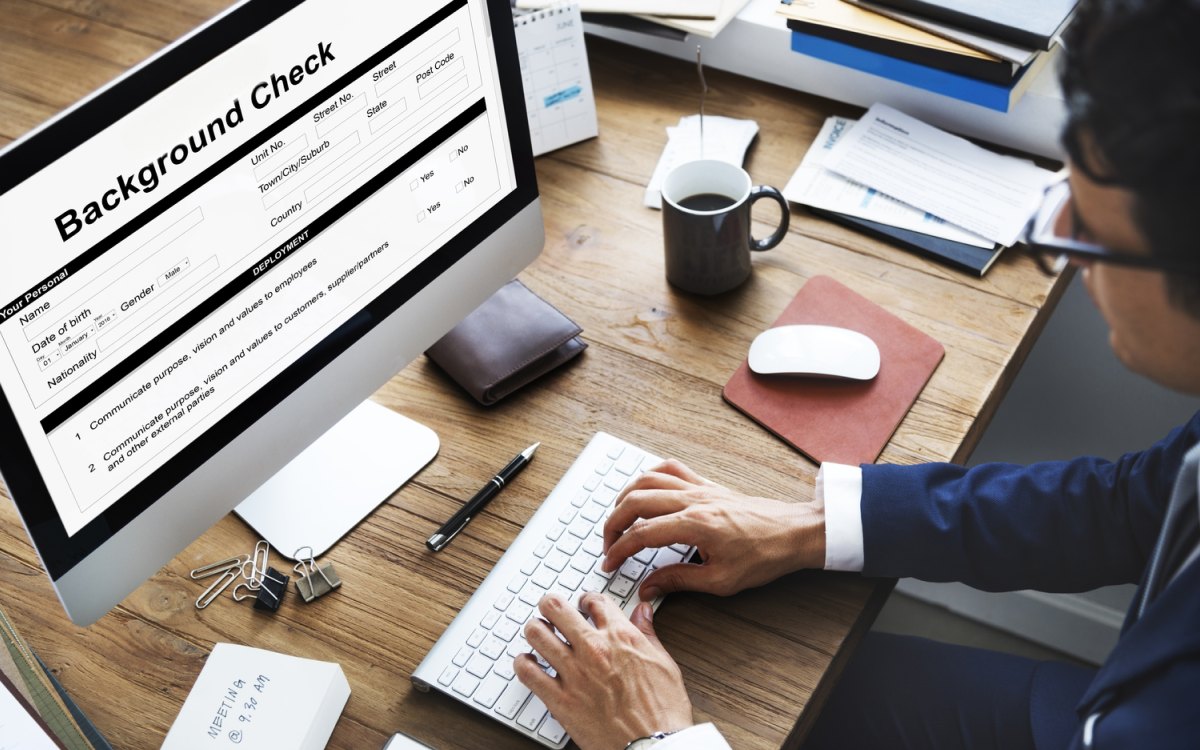
Have you ever wondered how background check platforms pull up your history within a few days? When you apply for an apartment or start a new job, these platforms work behind the scenes. They use highly sophisticated networks to assemble a detailed picture of your life. Knowing about this hidden process can help you get through your next screening with confidence and clear up common myths about personal data collections.
Accessing Public Records
The vast majority of the information found on a background screening report comes from public records. By law, federal, state, and local governments must maintain documentation on a variety of life events. Background check companies utilize these repositories as their primary source of truth.
Courthouses and Criminal Registries
When a platform looks for criminal history, it connects directly with county, state, and federal court repositories. Automated systems search through databases for criminal charges, convictions, and active warrants. Because local court records are sometimes stored on older servers, some screening providers still use physical runners. These runners are real people who visit local county courthouses to pull physical documents when digital files are incomplete or unavailable.
Civil and Financial Documents
Criminal history is only one piece of the puzzle. Background screening platforms also pull data from civil courts to check for lawsuits, bankruptcies, liens, and judgments. These financial records help employers and landlords assess a person’s financial reliability. This process is especially common for candidates who apply for roles handling sensitive company funds or corporate accounts.
Working With Commercial Data Brokers
Public infrastructure can be incredibly slow and fragmented. To speed up their operations, modern background check platforms partner with massive commercial data brokers. These private companies constantly buy, clean, and organize public and private information, creating readily accessible digital profiles.
Credit Bureaus
Major credit reporting agencies do more than track credit scores. They also maintain incredibly accurate records of an individual’s address history, past employers, and alternative names or aliases. Background check systems ping these bureaus to verify that the Social Security number provided by an applicant actually matches their residential history. This step ensures that the platform is searching for records under the correct identity.
DMV Records
For positions that involve driving a company vehicle, platforms connect directly with state Departments of Motor Vehicles. These checks pull up active driver’s license statuses, past moving violations, accidents, and suspension records. Because each state manages its own Department of Motor Vehicles independently, platforms rely on aggregators to pull this state-level data into a single unified report.
Making Phone Calls and Sending Emails
Not every piece of information can be pulled instantly from an automated digital database. When it comes to verifying professional history and education, background check platforms must often perform direct manual outreach.
Educational Institution Database Checks
Many universities and colleges outsource their degree verification processes to central clearinghouses. Screening platforms query these clearinghouses to confirm graduation dates, degrees earned, and major fields of study. If a school does not participate in a central digital clearinghouse, a representative from the background check company will call or email the institution registrar directly to verify the applicant’s credentials.
Employment and Reference Verification
To confirm your employment history, screening platforms look at work verification databases. If an employer uses an automated system, the platform can verify dates of employment and past job titles instantly. When those systems are unavailable, screening specialists make direct phone calls to human resources departments. They speak with past supervisors to verify details and ensure that the resume matching the application is entirely accurate.
Adhering to Fair Information Laws
The process of gathering personal data might sound a bit invasive, but the industry operates under strict guidelines within the United States. The Fair Credit Reporting Act dictates exactly how background screening companies can collect and share your information.
Platforms cannot simply run a check on anyone at any time. They must secure explicit, written consent from you before they can start gathering data. Furthermore, you legally have the right to request a copy of your report and dispute any inaccuracies that appear on the document, ensuring that your digital footprint remains fair and precise.