8 monthly saving ideas for seniors without sacrificing comfort
Senior Blog

8 monthly saving ideas for seniors without sacrificing comfort

Managing monthly expenses does not have to mean giving up comfort. In many cases, older adults can make small, thoughtful changes to reduce monthly bills, while still keeping their daily routine steady. For seniors, the goal is not strict budgeting or constant tracking—it is about finding balance. A few practical adjustments across daily routines can ease financial pressure while still preserving the sense of ease, convenience, and comfort that makes a home feel truly lived in. Adjusting Daily Energy Habits Energy use often slips into autopilot, where small inefficiencies begin to add up. Leaving lights on in unused rooms, running appliances longer than necessary, or relying heavily on artificial lighting during the day can quietly increase monthly bills. A simple shift toward mindful use, such as turning off switches when not needed, making better use of daylight, and limiting unnecessary appliance use, can gradually cut down unnecessary utility expenses. Managing Temperature Settings Indoor temperature plays a large role in energy consumption. Constantly adjusting settings or maintaining extremes can lead to higher usage without adding real comfort. A steady, moderate setting tends to work more efficiently and maintain a stable indoor environment. Simple habits, such as closing curtains during warmer hours or allowing natural airflow when possible, can help create a comfortable atmosphere without relying heavily on cooling or heating systems.
Top Budgeting Tips for Seniors
Senior Blog

Top Budgeting Tips for Seniors

Managing money becomes more important with age, especially when income sources shift and expenses become less predictable. A steady approach to spending and saving can help maintain independence and reduce financial stress over time. With the right strategies in place, it becomes easier to plan ahead, cover essential costs, and prepare for unexpected needs. Thoughtful budgeting for seniors provides a practical way to maintain stability while continuing to enjoy everyday life. Build a Real Monthly Budget The foundation of solid financial planning for seniors is a written budget that reflects actual spending, not estimated spending. That means tracking every recurring expense for at least one month before making any adjustments. Fixed costs like housing, insurance premiums, and utilities are straightforward to plan around. Variable costs like groceries, dining out, and transportation, however, require a closer look. Free budgeting apps or the budgeting features built into most bank apps can make this easier without adding complexity. Separate Needs From Wants Once spending is mapped out, the next step is sorting it into categories. Needs are non-negotiables: housing, food, healthcare, and transportation. Wants are everything else. This is not about eliminating enjoyment; it is about making deliberate choices. Many retirees find that a few high-value subscriptions or memberships bring more satisfaction than a dozen low-value ones, and trimming the latter frees up real money every month.

Popular Reads

How to qualify for a reverse mortgage

How to qualify for a reverse mortgage

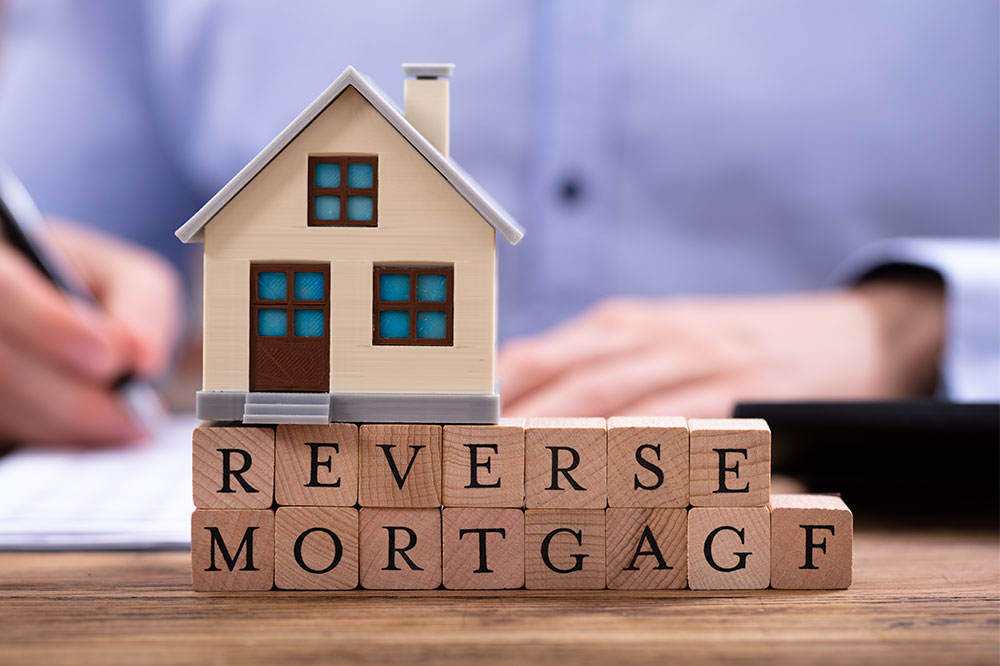
A reverse mortgage provides the elderly access to equity in their homes and supplements their income. With its flexible repayment option, it gives homeowners more control over their money. However, the government has laid out strict rules and guidelines concerning reverse mortgage eligibility criteria. So, if you’re considering a reverse mortgage, read on to know the reverse mortgage eligibility criteria and the types of reverse mortgages. Reverse mortgage eligibility criteria The first criterion for a reverse mortgage is that the primary homeowner must be at least 62 years of age. If your spouse is under the age of 62, you might still be eligible if you meet other reverse mortgage eligibility criteria. If you’re not 62 or older than 62, then you won’t qualify for a reverse mortgage even if you satisfy the criteria mentioned below. You must be the primary resident of the home you’re seeking a reverse mortgage for. Note that vacation homes or rental properties do not qualify. You must either entirely own the house or have at least 50% equity in it. If you have any mortgage balance remaining while applying for a reverse mortgage, you must be in a financial position to pay off that balance.
5 benefits of opting for debt settlement

5 benefits of opting for debt settlement

Debt settlement can be a financial lifesaver for many. Managing debt is quite a difficult task. With every advancing payment due date, one may feel their finances getting tighter and tighter. Between paying for a house mortgage, student loans, credit card debt, personal loans, and many other debts, it is quite common to miss out on paying one payment. Although it may not seem like a big problem initially, this is not good for financial health in the long term. This is where debt settlement comes in. There are multiple benefits to availing debt settlement offered by some of the top 10 debt settlement companies. No more bills With debt settlement, no more bills will be incoming in the mailbox. Debt settlement results in the closure of a debt account by the creditor. In such cases, one will not be able to use their credit cards again. However, this can be beneficial since it will prevent further debt in the future. With debt settlement, there is a permanent erasure of debt. No more collection calls With mounting debt, the calls of creditors are always incessant. If one if falling behind on too many bills, they are bound to be subjected to creditor calls throughout the day.
Coping with urges that can trigger a relapse post treatment

Coping with urges that can trigger a relapse post treatment

Addictions when left untreated can turn into crippling conditions. One can be addicted to smoking, binge drinking, or even shopping. Once addicted, one willfully submits to urges, despite having satisfied them before. However, addictions can be managed and to a great extent treated to full recovery. But, the post-recovery phase is crucial where both the mind and body are put to test and can trigger a relapse. Continue reading to know more about the most common triggers for addictions and how to deal with them. Stress Stress is commonly the root cause of many problems and addictions, both physical and psychological. One can become an addict as a way to manage the stress that may stem from strained relationships or priorities. The best way to avoid a relapse during recovery is to make lifestyle changes that don’t trigger a return to addictions amidst a stressful situation. One can practice mindfulness, engage in relaxation techniques, manage one’s time to avoid stressful situations, and imbibe healthy eating habits and exercise in their daily routine. Emotions There is an umpteen number of triggers that invoke a positive or negative emotional response. However, the stress associated with dealing with emotions daily can trigger urges without one even realizing.