How Accurate Are Online Background Reports
Open-Records

How Accurate Are Online Background Reports

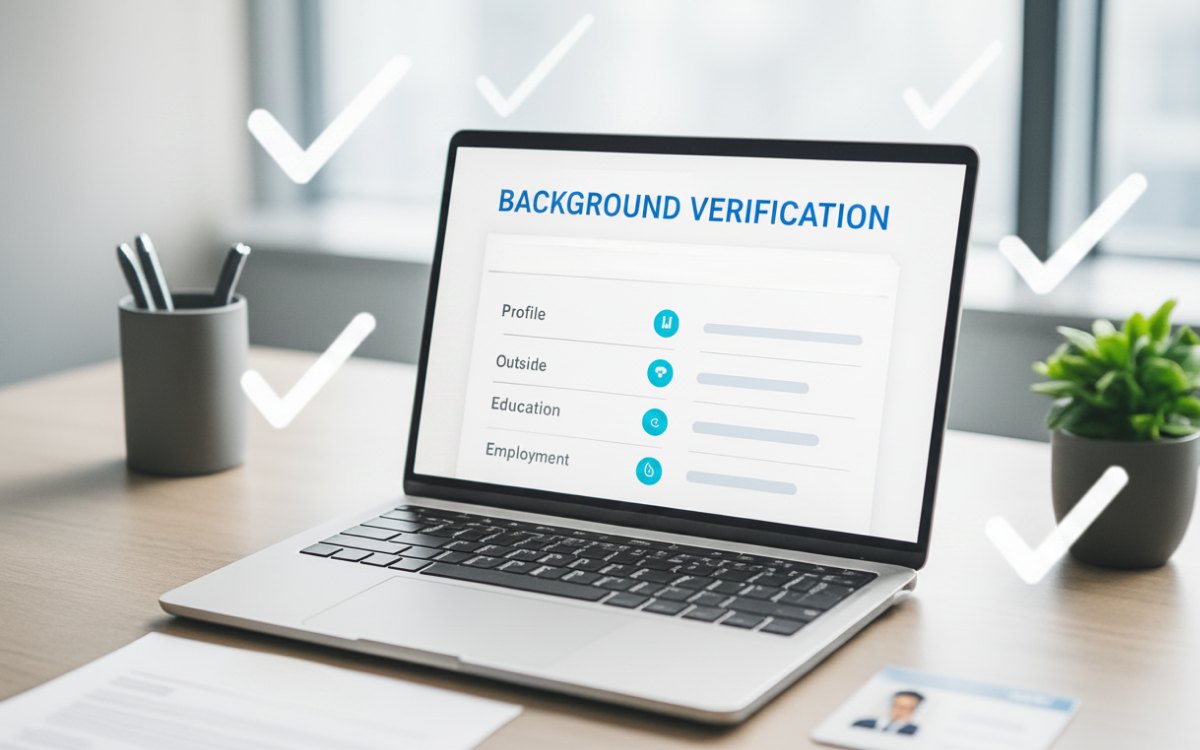
Online background reports have become increasingly popular because they offer quick access to public records, identity details, and verification data. Employers, landlords, recruiters, and individuals often use these reports to review someone’s history before making important decisions. With just a name, phone number, or email address, many platforms claim they can deliver detailed reports within minutes. However, speed does not always guarantee accuracy. Online background reports can be useful, but they are not always complete, current, or error-free. Understanding how these reports are compiled can help you better evaluate how reliable they really are. Why Online Background Reports Vary in Accuracy Not all background check platforms collect information in the same way. Some companies gather data directly from official court systems, government databases, and verified institutions. Others rely on third-party data brokers, archived public records, or automated search tools that pull information from multiple databases. The quality of a report often depends on how frequently a platform updates its records. If a company updates databases regularly, the information may be more reliable. If updates happen less frequently, the report may contain outdated addresses, incorrect employment history, or records that no longer apply. Some consumer-focused search platforms prioritize speed and convenience over deep verification, which can increase the chances of incomplete results.
6 Steps to Locate an Estranged Family Member
Open-Records

6 Steps to Locate an Estranged Family Member

Reconnecting with an estranged family member can involve emotional, practical, and legal considerations. In some cases, relatives lose contact after relocation, adoption, family disputes, or long gaps in communication. Modern records, online databases, and public information tools have made searches more accessible, although results are not always immediate. A approach can help people gather details while respecting privacy boundaries. Organizing information early and verifying findings along the way often improves the chances of locating the person. Start With Existing Family Information Before searching online, it helps to gather every detail already available within the family. Old photographs, letters, school records, phone books, and handwritten notes may contain addresses, workplaces, or names of mutual contacts. Even partial information can narrow a search significantly. Relatives, neighbors, and longtime family friends may also remember useful details that were forgotten over time. Speaking with multiple people can help confirm facts and reduce the risk of following incorrect leads. Writing everything down in one place makes it easier to compare details later. Organize Names and Locations Changes in surnames, nicknames, or spelling can complicate searches. Marriage, adoption, and relocation often result in different records appearing under different names. Creating a list of possible variations may improve search accuracy.
What International Background Checks Usually Cover
Open-Records

What International Background Checks Usually Cover

International background checks help organizations review a person’s history across multiple countries to create a more complete profile for hiring, compliance, or partnership decisions. These screenings gather information from different databases and records that may not be available in a single location. The process helps reduce risk and verify claims made during applications. The scope can vary depending on purpose, but most checks include several core categories of information collected from reliable global sources. Identity and Identity Verification Identity verification forms the foundation of most international background checks. It typically confirms whether personal details such as name, date of birth, and identification numbers match official records. This step helps ensure that the individual being screened is accurately identified across different countries where naming formats and documentation standards may vary. Criminal Record Searches Across Borders Criminal record searches are often a central part of international screening. These checks look for any documented offenses in relevant jurisdictions and may include data from national databases, regional law enforcement systems, and authorized global repositories. Because record availability differs between countries, the depth of information can vary, making cross-border coordination an important part of the process. Employment and Education History Review Employment and education verification helps confirm whether a person’s stated qualifications and work history are accurate.

Popular Reads

5 mistakes to avoid when investing in a high dividend ETF

5 mistakes to avoid when investing in a high dividend ETF

Exchange-traded funds (ETF) have been gaining popularity in the investment sector for some time now. Along with mutual funds, they have been one of the most preferred investment options among investors. With investors having pumped in billions of dollars in ETFs by now, these funds sure seem like a lucrative investment avenue. However, financial experts suggest treading this path carefully so as to avoid unforeseeable losses. Here are a few mistakes that you can avoid while investing in high dividend ETFs: Overlooking long-term investment Looking at long-term goals is the golden rule when it comes to any type of investment. However, seasoned investors invest in ETFs on a short-term basis through a type of trading called intraday trade. This type of trading allows the investors to buy and sell stocks and other investments on the same day. However, if not thought out carefully, investing in high dividend ETFs through intraday trading can result in lower returns and higher trading costs. Buying an ETF simply based on its name This is one of the most common mistakes people make when investing in high dividend ETFs. Investors may think that an ETF’s name provides an insight into its investment reach, i.e., whether the ETF has local or/and global investors.
How to qualify for a reverse mortgage

How to qualify for a reverse mortgage

A reverse mortgage provides the elderly access to equity in their homes and supplements their income. With its flexible repayment option, it gives homeowners more control over their money. However, the government has laid out strict rules and guidelines concerning reverse mortgage eligibility criteria. So, if you’re considering a reverse mortgage, read on to know the reverse mortgage eligibility criteria and the types of reverse mortgages. Reverse mortgage eligibility criteria The first criterion for a reverse mortgage is that the primary homeowner must be at least 62 years of age. If your spouse is under the age of 62, you might still be eligible if you meet other reverse mortgage eligibility criteria. If you’re not 62 or older than 62, then you won’t qualify for a reverse mortgage even if you satisfy the criteria mentioned below. You must be the primary resident of the home you’re seeking a reverse mortgage for. Note that vacation homes or rental properties do not qualify. You must either entirely own the house or have at least 50% equity in it. If you have any mortgage balance remaining while applying for a reverse mortgage, you must be in a financial position to pay off that balance.
5 benefits of opting for debt settlement

5 benefits of opting for debt settlement

Debt settlement can be a financial lifesaver for many. Managing debt is quite a difficult task. With every advancing payment due date, one may feel their finances getting tighter and tighter. Between paying for a house mortgage, student loans, credit card debt, personal loans, and many other debts, it is quite common to miss out on paying one payment. Although it may not seem like a big problem initially, this is not good for financial health in the long term. This is where debt settlement comes in. There are multiple benefits to availing debt settlement offered by some of the top 10 debt settlement companies. No more bills With debt settlement, no more bills will be incoming in the mailbox. Debt settlement results in the closure of a debt account by the creditor. In such cases, one will not be able to use their credit cards again. However, this can be beneficial since it will prevent further debt in the future. With debt settlement, there is a permanent erasure of debt. No more collection calls With mounting debt, the calls of creditors are always incessant. If one if falling behind on too many bills, they are bound to be subjected to creditor calls throughout the day.