Catfishing and What You Can Do About It
Open-Records

Catfishing and What You Can Do About It

Online conversations can feel natural very quickly. A friendly profile, regular messages, and shared interests often make people feel comfortable. However, not every digital identity is genuine. In some cases, fake profiles are created to mislead others for emotional, financial, or personal reasons. This practice is known as catfishing. Knowing how it works can help you stay alert while using dating apps, social platforms, and messaging services. By noticing unusual behavior early, you can better protect your privacy, personal details, and online safety. Signs That Should Raise Suspicion Certain patterns are commonly linked with catfishing. While not every unusual profile is fake, repeated warning signs should not be ignored. Photos Look Too Perfect Professional-looking images with little personal variety can sometimes indicate a fake profile. Reverse image searches are often used to check whether profile photos appear elsewhere online under different names. Conversations Move Too Fast Strong emotional language may be introduced very quickly. Compliments, constant attention, or dramatic stories are sometimes used to create trust in a short period. Video Calls Are Avoided Excuses may repeatedly appear when video chats or in-person meetings are suggested. Technical issues, travel problems, or privacy concerns are commonly mentioned to avoid verification. Details Keep Changing Small inconsistencies in stories, work information, family details, or locations can become noticeable during longer conversations.
Is That Charity Real? How to Verify a Nonprofit Before You Donate
Open-Records

Is That Charity Real? How to Verify a Nonprofit Before You Donate

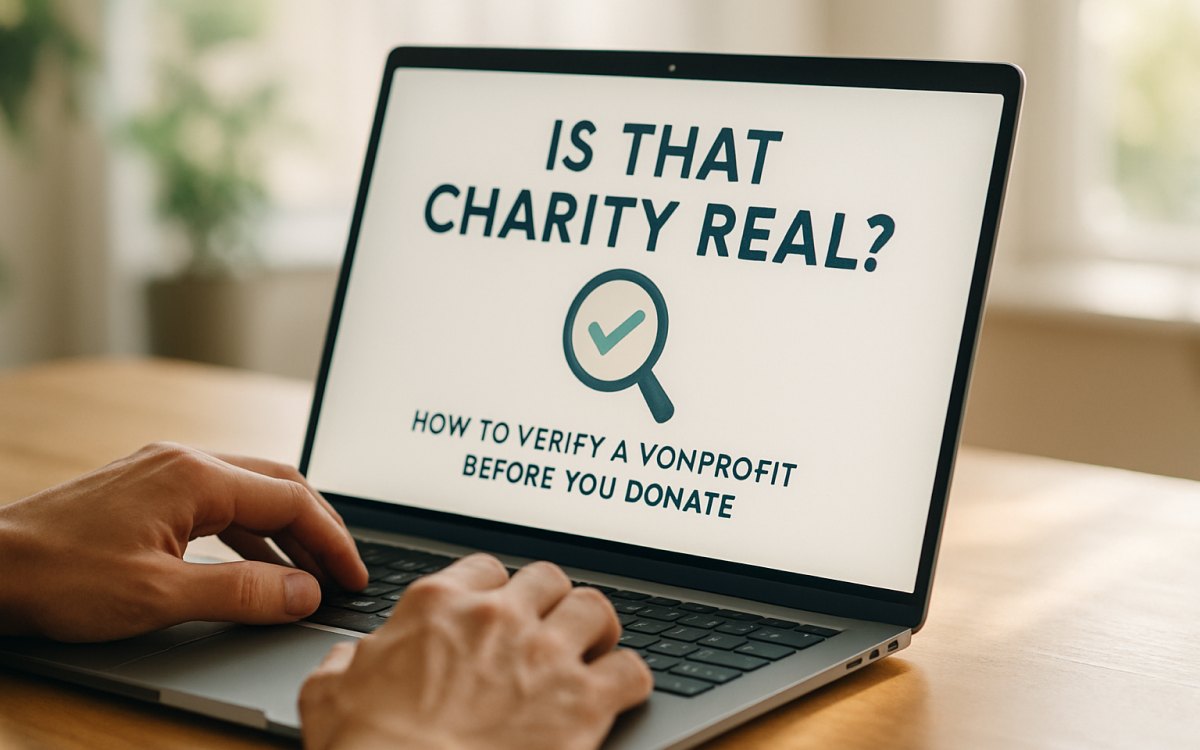
Online giving has made donating easier than ever, but it has also increased the risk of fake charities and misleading fundraising campaigns. Before sending money, it is important to confirm that a nonprofit is legitimate, transparent, and properly managed. A few simple checks can help donors support trustworthy organizations while avoiding scams and financial loss. Why Charity Verification Matters Not every fundraising appeal comes from a genuine nonprofit. Fraudulent organizations may use emotional stories, copied images, or urgent requests to pressure people into donating quickly. In some cases, fake charities disappear after collecting funds. Verifying a nonprofit helps ensure donations reach real programs and communities in need. It also allows donors to make informed decisions based on transparency, financial responsibility, and charitable impact. Check the Nonprofit’s Registration Status A legitimate nonprofit should be officially registered and recognized as a tax-exempt organization. Search Government Databases Many countries provide online databases where donors can search nonprofit records. Look for details such as o fficial organization name, registration number, tax-exempt status, filing history, and current standing. If the charity cannot be found in a government registry, that is a warning sign. Confirm the Organization Name Scammers often create names that sound similar to well-known charities.

Popular Reads

5 mistakes to avoid when investing in a high dividend ETF

5 mistakes to avoid when investing in a high dividend ETF

Exchange-traded funds (ETF) have been gaining popularity in the investment sector for some time now. Along with mutual funds, they have been one of the most preferred investment options among investors. With investors having pumped in billions of dollars in ETFs by now, these funds sure seem like a lucrative investment avenue. However, financial experts suggest treading this path carefully so as to avoid unforeseeable losses. Here are a few mistakes that you can avoid while investing in high dividend ETFs: Overlooking long-term investment Looking at long-term goals is the golden rule when it comes to any type of investment. However, seasoned investors invest in ETFs on a short-term basis through a type of trading called intraday trade. This type of trading allows the investors to buy and sell stocks and other investments on the same day. However, if not thought out carefully, investing in high dividend ETFs through intraday trading can result in lower returns and higher trading costs. Buying an ETF simply based on its name This is one of the most common mistakes people make when investing in high dividend ETFs. Investors may think that an ETF’s name provides an insight into its investment reach, i.e., whether the ETF has local or/and global investors.
How to qualify for a reverse mortgage

How to qualify for a reverse mortgage

A reverse mortgage provides the elderly access to equity in their homes and supplements their income. With its flexible repayment option, it gives homeowners more control over their money. However, the government has laid out strict rules and guidelines concerning reverse mortgage eligibility criteria. So, if you’re considering a reverse mortgage, read on to know the reverse mortgage eligibility criteria and the types of reverse mortgages. Reverse mortgage eligibility criteria The first criterion for a reverse mortgage is that the primary homeowner must be at least 62 years of age. If your spouse is under the age of 62, you might still be eligible if you meet other reverse mortgage eligibility criteria. If you’re not 62 or older than 62, then you won’t qualify for a reverse mortgage even if you satisfy the criteria mentioned below. You must be the primary resident of the home you’re seeking a reverse mortgage for. Note that vacation homes or rental properties do not qualify. You must either entirely own the house or have at least 50% equity in it. If you have any mortgage balance remaining while applying for a reverse mortgage, you must be in a financial position to pay off that balance.
5 benefits of opting for debt settlement

5 benefits of opting for debt settlement

Debt settlement can be a financial lifesaver for many. Managing debt is quite a difficult task. With every advancing payment due date, one may feel their finances getting tighter and tighter. Between paying for a house mortgage, student loans, credit card debt, personal loans, and many other debts, it is quite common to miss out on paying one payment. Although it may not seem like a big problem initially, this is not good for financial health in the long term. This is where debt settlement comes in. There are multiple benefits to availing debt settlement offered by some of the top 10 debt settlement companies. No more bills With debt settlement, no more bills will be incoming in the mailbox. Debt settlement results in the closure of a debt account by the creditor. In such cases, one will not be able to use their credit cards again. However, this can be beneficial since it will prevent further debt in the future. With debt settlement, there is a permanent erasure of debt. No more collection calls With mounting debt, the calls of creditors are always incessant. If one if falling behind on too many bills, they are bound to be subjected to creditor calls throughout the day.