11 Signs a Background Check Website Isn’t Trustworthy
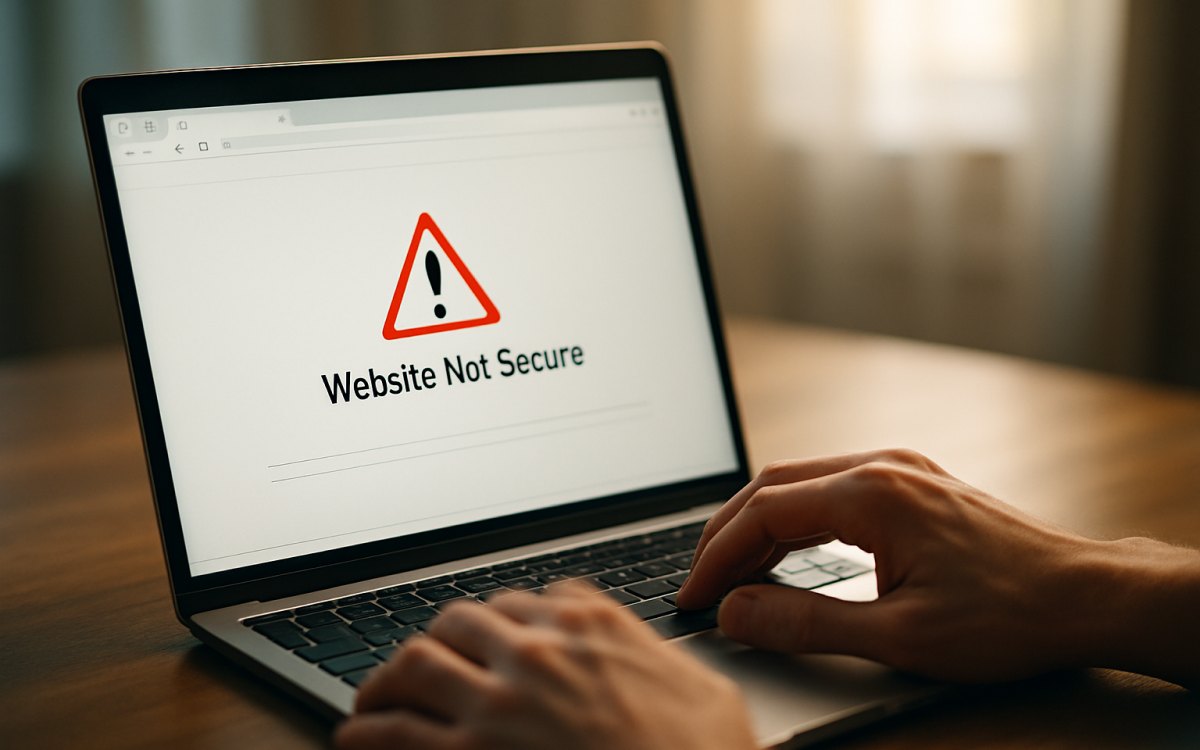
Online background check services have become popular for finding public information, verifying identities, and researching personal or professional connections. However, not every platform provides accurate, secure, or ethical services. Some websites collect outdated data, charge hidden fees, or misuse personal information. Knowing how to identify unreliable platforms can help protect privacy, finances, and online safety.
Why Website Trust Matters
Background check websites often handle sensitive personal details such as addresses, phone numbers, criminal records, employment history, and financial information. An unreliable platform may expose inaccurate results, misleading reports, or unsafe payment practices.
Choosing a trustworthy service helps ensure better data accuracy, stronger security, and clearer legal compliance.
Lack of Transparent Contact Information
One of the clearest warning signs is missing or vague contact information.
What to Watch For
A questionable website may not provide a physical business address, customer support details, a working phone number, and a verified email address. Legitimate services usually offer multiple support channels and clearly explain how customers can reach them.
Why It Matters
Without visible contact information, resolving billing disputes, refund requests, or data concerns becomes difficult.
Hidden Fees and Misleading Pricing
Some background check websites advertise low-cost reports but add unexpected charges later.
Common Pricing Tricks
Untrustworthy platforms may o ffer “free” searches that require payment afterward, automatically enroll users in subscriptions, hide recurring monthly fees in small print, or make cancellation difficult. Before purchasing any report, carefully review pricing details and subscription terms.
Poor Website Security
A trustworthy website should protect user information through secure browsing and payment systems.
Signs of Weak Security
Warning signs include m issing HTTPS encryption, unsecured payment pages, frequent pop-up ads, redirects to unrelated websites, and requests for excessive personal information.
How to Check Security
Look for the padlock icon in the browser address bar and verify that the website uses HTTPS encryption before entering payment details.
Unrealistic Claims About Accuracy
No background check service can guarantee perfectly complete or fully current information. Public records databases change frequently, and even reliable providers may experience delays or missing updates. Be cautious of websites that advertise “100% accurate reports,” “instant criminal history results,” “guaranteed identity verification,” or “unlimited private records access.” Legitimate background check providers usually explain the limitations of their reports and clarify that information may vary depending on available public records.
Outdated or Incomplete Information
Some unreliable platforms rely on old databases that may contain incorrect or missing details. Outdated reports can include incorrect addresses, old phone numbers, closed court records, or inaccurate employment information. These errors can create confusion and reduce the reliability of the search results. A trustworthy background check platform should clearly explain how often its databases are updated and how it maintains data accuracy.
No Clear Privacy Policy
Reliable websites explain how user information is collected, stored, and shared. A legitimate privacy policy usually covers data collection methods, information storage practices, third-party sharing policies, account deletion options, and cookie usage details. If a website’s privacy policy is missing, vague, or difficult to find, it may not handle personal information responsibly. Transparent privacy practices are often a strong sign that a platform takes user security and data protection seriously.
Excessive Advertising and Spam Tactics
Too many aggressive advertisements can indicate a low-quality background check service. Common spam behaviors include constant pop-ups, fake warning messages, countdown timers that pressure users into making purchases, misleading “limited-time offers,” and forced downloads. These tactics are often designed to create urgency rather than provide reliable information. Professional background check services typically maintain cleaner, more user-friendly website designs that focus on transparency and ease of use instead of aggressive marketing techniques.
No Customer Reviews or Suspicious Testimonials
Customer reviews can help determine whether a background check website provides reliable and trustworthy service. Be cautious if all reviews sound overly positive, testimonials appear copied or generic, no independent review sources exist, or ratings suddenly spike without explanation. These patterns may suggest manipulated feedback or unreliable marketing practices. Checking reviews across multiple trusted platforms can provide a more balanced understanding of the service quality and overall user experience.
Missing Legal Compliance Information
Trustworthy background check companies clearly explain how their reports should be used and what legal limitations apply. Legitimate platforms often include notices about fair reporting practices, public record limitations, consumer rights, and permitted use guidelines. This information helps users understand how the service operates and what responsibilities apply when accessing personal records. A website that ignores legal compliance may also overlook important standards related to data accuracy, privacy, and responsible reporting.
Difficult Cancellation or Refund Policies
Some unreliable services intentionally make cancellations difficult in order to continue charging users. Common problems include hidden cancellation buttons, delayed customer support responses, automatic renewals, and unclear refund terms. These practices can create frustration and unexpected recurring charges. Before subscribing to any background check service, review the cancellation and refund policies carefully to understand how billing and account termination are handled.
Low-Quality Website Design and Errors
A poorly maintained website can be a warning sign of weak business practices or unreliable service quality. Watch for issues such as broken links, frequent spelling mistakes, inconsistent branding, slow-loading pages, and outdated layouts. While website design alone does not determine whether a service is legitimate, multiple technical problems may suggest a lack of professionalism, poor maintenance, or limited attention to user experience.
Not all background check websites provide trustworthy or secure services. Hidden fees, poor security, exaggerated claims, outdated data, and unclear policies are common warning signs that should not be ignored. Carefully evaluating a platform before entering personal or payment information can reduce the risk of scams, inaccurate reports, and privacy issues. Choosing a transparent and professionally managed service helps create a safer and more reliable online experience.